Tooth bonding
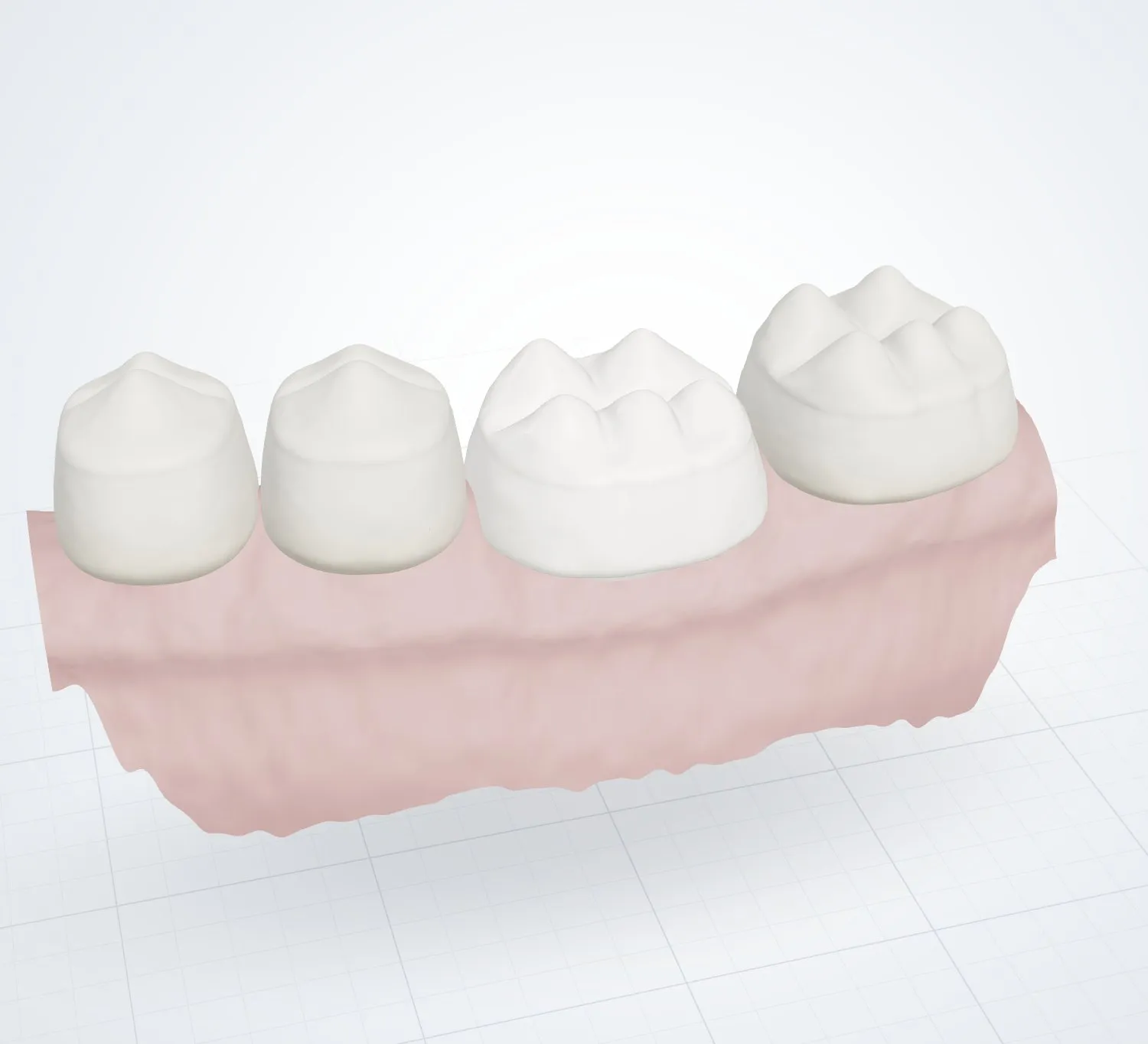
Tooth bonding uses a tooth-coloured resin to repair chips and cracks, close small gaps, and cover discolouration, usually in a single visit. Repairing a chipped or worn tooth also protects it and restores how it works, not only how it looks. It is a minor, lower-cost, often reversible option rather than veneers or crowns.
From ₹10,000
Your exact price follows your examination.
- In chair
- Usually one short appointment
- Visits
- 1
- Anaesthetic
- Usually none
- Lasts
- Several years, may need repair
How it goes
- Shade matching
We match the resin to the colour of your natural teeth so the repair blends in.
- Preparing the surface
The tooth surface is lightly conditioned so the resin bonds well, usually without drilling.
- Shaping and setting
The resin is applied, shaped by hand, and hardened with a curing light.
- Polishing
The bonded area is trimmed and polished to a natural finish and checked against your bite.
Is it right for you?
Tooth bonding uses a tooth-coloured resin to repair chips, close small gaps, and cover discolouration, usually in a single visit and often with little or no drilling. It is one of the more conservative cosmetic options and can often be adjusted or removed later, which is why it is a sensible first step before veneers. Prices start from ₹10,000, quoted in writing first.
When we'd recommend it
- You have small chips, minor cracks, or small gaps you want corrected quickly
- You want a lower-cost option that usually needs little or no drilling
- You would prefer a reversible starting point before considering veneers
When we'd suggest something simpler
- Your only concern is colour, where whitening alone is more suitable across all the teeth
- The change you want is large or across many teeth, where veneers may last longer and look more even
- The tooth is badly broken or decayed, where a crown or filling is the sounder repair
Composite bonding or Porcelain veneers?
| Compared on | Composite bonding | Porcelain veneers |
|---|---|---|
| Cost | Lower | Higher |
| Tooth removal | Little or none, often reversible | A thin layer of enamel removed, not reversible |
| Lifespan | Several years, may need repair | Longer with good care |
| Stain resistance | Picks up colour over time | Holds colour well |
| Visits | Usually a single visit | Two or more, with lab work |
About tooth bonding.
What tooth bonding is
Tooth bonding uses a tooth-coloured composite resin, applied directly to the tooth and hardened with a curing light, to correct small imperfections. It can address:
- Chipped teeth and minor cracks
- Small gaps between front teeth
- Discoloured or slightly misshapen teeth
- Small areas of decay, where the resin also acts as a filling
Because the resin is added to the tooth surface, most cases need little or no drilling and no removal of healthy enamel. That makes bonding one of the more conservative cosmetic treatments, and in many cases it can be adjusted or removed later, which is why it is often a sensible first step before committing to veneers.
Bonding compared with veneers
See our veneers page for the veneer options in detail.
Bonding and porcelain veneers both improve the look of front teeth, but they suit different needs.
- Cost. Bonding usually costs less than veneers.
- Time. Bonding is typically done in a single visit; veneers need lab work and more than one appointment.
- Enamel. Bonding usually needs little or no tooth preparation, while veneers involve removing a thin layer of enamel and are not reversible.
- Scale and longevity. For a large change across many teeth, or where you want the most even, long-lasting finish, veneers may be the better choice. For small, isolated fixes, bonding is often all that is needed.
We will talk through both so you choose based on what the tooth actually needs, not on doing more than necessary.
What to expect
A bonding appointment is usually short. We match the shade, lightly condition the surface, apply and shape the resin, then harden and polish it. Anaesthetic is often not required for cosmetic bonding, though it may be used if decay is being treated. You leave with the repair complete the same day.
Durability and notes
Composite resin is strong but not as hard as natural enamel or porcelain. It can chip or stain over time, particularly with heavy coffee, tea, red wine, or tobacco, and it may need occasional repair or replacement after several years. We cannot promise a fixed lifespan, because that depends on which tooth is treated, your bite, and your habits. The trade-off is a quicker, cheaper, more conservative repair now, with the option to move to veneers later if you want a longer-lasting change.
Aftercare
Avoid biting hard objects, such as pens or ice, on bonded teeth, and cut back on strongly staining food and drink where you can, since composite picks up colour more than enamel. Brush and floss as normal, keep up regular check-ups, and mention it if you grind your teeth, as a nightguard can protect the bonding from chipping.
Other options.
If this is not the right answer, one of these may be. Your specialist will explain which.
Other treatments in cosmetic dentistry
- Smile makeoverA smile makeover is a planned combination of treatments, such as veneers, bonding, whitening and gum reshaping, sequenced for your teeth₹10,000 per tooth
- Teeth whiteningTeeth whitening uses a bleaching gel to lighten the natural shade of your teeth and reduce staining₹9,000
- Dental veneersVeneers are thin shells of porcelain or composite bonded to the front of a tooth to change its colour, shape or size₹10,000
Prices show where treatment starts. Your exact price follows your examination.
Questions people ask first.
How much does tooth bonding cost?
Bonding starts from ₹10,000, with the total depending on how many teeth are treated and the size of each repair. You get the price in writing first. Bonding usually costs less than veneers, so we will tell you when it is all a tooth actually needs.
Will bonding look natural or obvious?
We match the resin to the colour of your natural teeth and shape it by hand, then polish it to blend in. For small chips and gaps the result usually looks natural. For a large change across many teeth, veneers can look more even, and we will say so.
Does tooth bonding hurt or need drilling?
Most cosmetic bonding needs little or no drilling and no removal of healthy enamel, so anaesthetic is often not required. It may be used if decay is being treated at the same time. The surface is lightly conditioned so the resin bonds well, and you leave with the repair complete.
Is tooth bonding reversible?
In many cases, yes. Because the resin is added to the tooth surface rather than cutting into it, bonding can often be adjusted or removed later. That is why it is a sensible first step before committing to veneers, which involve permanent enamel removal and cannot be reversed.
How long does tooth bonding last?
Composite resin is strong but not as hard as enamel or porcelain. It can chip or stain over time and may need occasional repair or replacement after several years. We cannot promise a fixed lifespan, since it depends on which tooth is treated, your bite, and your habits.
Should I choose bonding or veneers?
Bonding is cheaper, quicker, usually needs no drilling, and suits small isolated fixes. Veneers cost more, involve permanent enamel changes, but hold colour and last longer across bigger changes. We talk through both so you choose on what the tooth needs, not on doing more than necessary.
Does bonding stain over time?
It can. Composite picks up colour more than enamel, particularly with heavy coffee, tea, red wine, or tobacco. Cutting back on strongly staining food and drink, brushing and flossing as normal, and regular check-ups all help. A stained bonding can usually be polished or repaired rather than fully replaced.
Ask us before you decide.
Send your question or your X-rays. At your first visit a specialist examines you and explains your options, the plan and its price.
Bandra +91 22 4149 8949Kemps Corner +91 22 4149 8959