Teeth grinding (bruxism)
Teeth grinding, known as bruxism, is when you clench or grind your teeth, often without realising, either while awake or during sleep. The odd bit of grinding is harmless, but doing it regularly can wear your teeth and leave your jaw sore. The good news is that it is manageable, and most people get relief with simple, gentle steps.
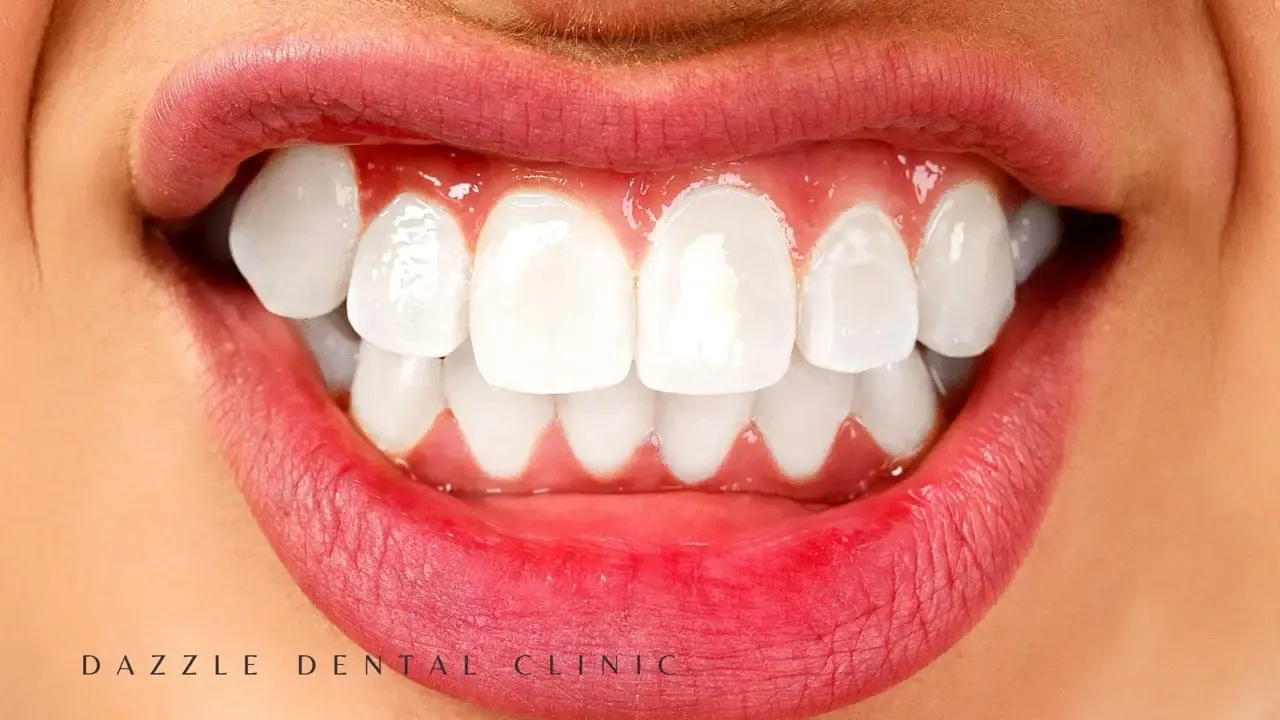
Bruxism is the habit of grinding, gnashing or clenching your teeth. It often happens unconsciously, either in the day when you are tense or, more commonly, during sleep. Occasional grinding does no harm, but when it becomes a regular pattern it can wear down the enamel, make teeth sensitive, and leave the jaw muscles tired and sore.
The causes are usually a mix. Stress and anxiety are among the most common triggers. Sleep problems such as sleep apnoea are linked to night-time grinding. Teeth that do not meet evenly, certain medicines, and things like caffeine, alcohol and nicotine can all play a part. Because more than one factor is often involved, working out what is driving it matters as much as protecting the teeth.
Your options
The aim is to protect your teeth and ease the cause, starting with the gentlest steps:
- Reduce the triggers. Cutting back on caffeine, alcohol and nicotine, and managing stress through exercise, relaxation or counselling, can lower how often grinding happens.
- A custom night guard. A well-fitted guard worn at night acts as a cushion between your upper and lower teeth. It protects the enamel from wear and eases pressure on the jaw. This is the mainstay of treatment for most people.
- Correcting the bite. If uneven teeth are contributing, orthodontic treatment to improve how the teeth meet can help reduce the grinding.
- Muscle relaxant injections. In some cases, injections that quieten the jaw muscles may be considered when the more common steps have not been enough.
What causes teeth grinding?
Teeth grinding usually has more than one cause. Stress and anxiety are common triggers, and night-time grinding is often linked to sleep problems such as sleep apnoea. Teeth that do not meet evenly, some medicines, and caffeine, alcohol and nicotine can also contribute. Identifying which of these apply to you helps guide the right mix of steps rather than treating the symptom alone.
How do I know if I grind my teeth?
Because it often happens in your sleep, you may not notice it directly. Common signs are waking with a sore or tight jaw, headaches around the temples, worn or sensitive teeth, and earache from the jaw muscles. A sleeping partner may hear the grinding. A dentist can also spot the tell-tale wear patterns during a check-up, which is often how it first comes to light.
Does a night guard stop the damage?
A custom night guard does not stop the grinding itself, but it protects your teeth from the wear and fractures that grinding causes, and it eases strain on the jaw, which can reduce pain and headaches. A guard made to fit your mouth stays comfortable and lasts longer than a shop-bought one. We will also look at the underlying cause, since the guard protects the teeth while the trigger is addressed.
If you would like to look at treatment
There is no rush and no pressure to book. When you are ready, read through the options for jaw, bite and airway care, or ask us a question first.
Bandra +91 22 4149 8949Kemps Corner +91 22 4149 8959