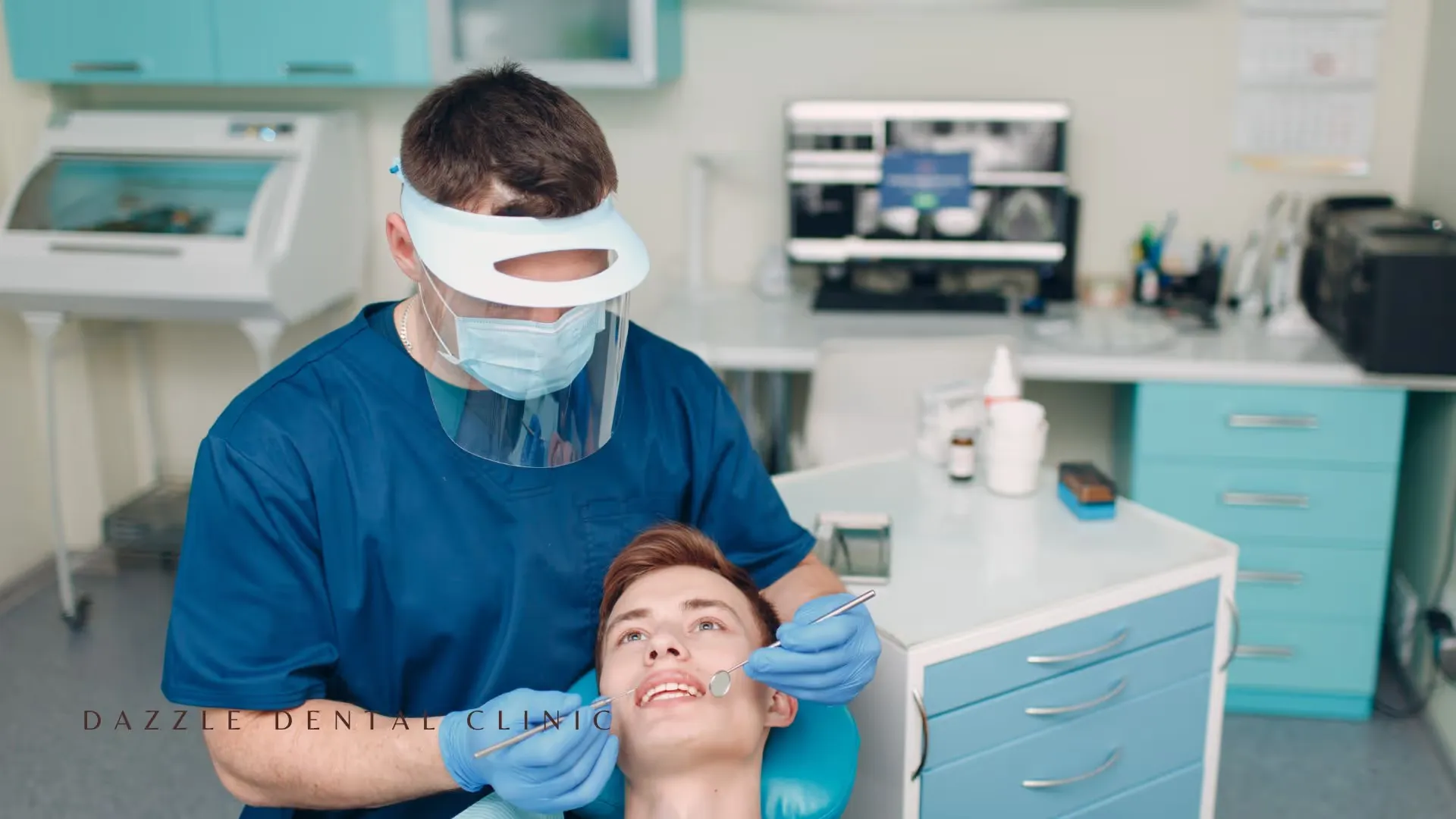
When it comes to dental restorations, selecting the right material for your filling is crucial for both durability and aesthetics. Class I fillings are commonly used to repair decay on the chewing surfaces of molars and premolars, and various materials can be used depending on your needs. At Dazzle Dental Clinic, we specialise in providing high-quality, personalised Class I dental fillings using the advanced materials available in modern dentistry.
Types of Materials for Class I Fillings
Composite Resin (Tooth-Coloured Fillings)
Composite resin is the most popular material for Class I fillings today due to its natural appearance and biocompatibility. It blends seamlessly with the natural tooth colour and is applied in layers, each cured with a special light to ensure maximum strength and durability. The benefits: aesthetically natural, colour-matched to the tooth; mercury-free; bonds directly to tooth structure, preserving more natural tooth; typically lasts 5 to 7 years with proper care.
Ceramic/Porcelain Inlays
For larger Class I cavities or areas that require greater durability, ceramic inlays offer a superior alternative. Fabricated in a laboratory (or in-house at Dream Dental Studio) from dental porcelain or zirconia, ceramic inlays are custom-fit and bonded to the tooth with dental adhesive. The benefits: more durable than composite resin; colour-matched to the tooth; low wear on opposing teeth; can last 15+ years with proper care.
Amalgam
Traditional silver amalgam fillings are rarely placed at Dazzle today. While durable (lasting 10 to 15 years), amalgam is aesthetically inferior and contains mercury. Where durability is the primary concern and aesthetics are not, amalgam remains a viable option in some contexts.
Glass Ionomer Cement
Glass ionomer is used in specific situations: deciduous (milk) teeth, very small Class I cavities in children, or as a base material. It releases fluoride, which has a mild caries-preventive effect on the surrounding tooth structure. Not suitable as a long-term restoration for adult posterior teeth due to lower durability.
Choosing the Right Material
The material choice depends on: the size of the cavity (small → composite; large → ceramic inlay); the location (posterior biting surfaces require durability); patient preferences; and aesthetic requirements. At Dazzle, the dentist discusses the material options and their respective longevities, costs, and clinical characteristics with each patient before treatment begins. Regular dental check-ups are the best way to catch cavities early, when the smallest and simplest material options are appropriate.
Why Choose Dazzle Dental Clinic for Your Class I Filling?
At Dazzle Dental Clinic, we use only the highest quality materials and the advanced techniques to ensure your filling is as durable, aesthetically pleasing, and comfortable as possible. With 25+ years of experience and a team of 15+ dentists, our in-house digital dental laboratory allows us to deliver fast, accurate, and beautiful results. Schedule your consultation today and experience the highest standard of restorative dental care in Mumbai.
This article is written by the Dazzle dental team and has not yet had a named clinician's review.
This article is general information. It does not replace an examination of your own teeth.